
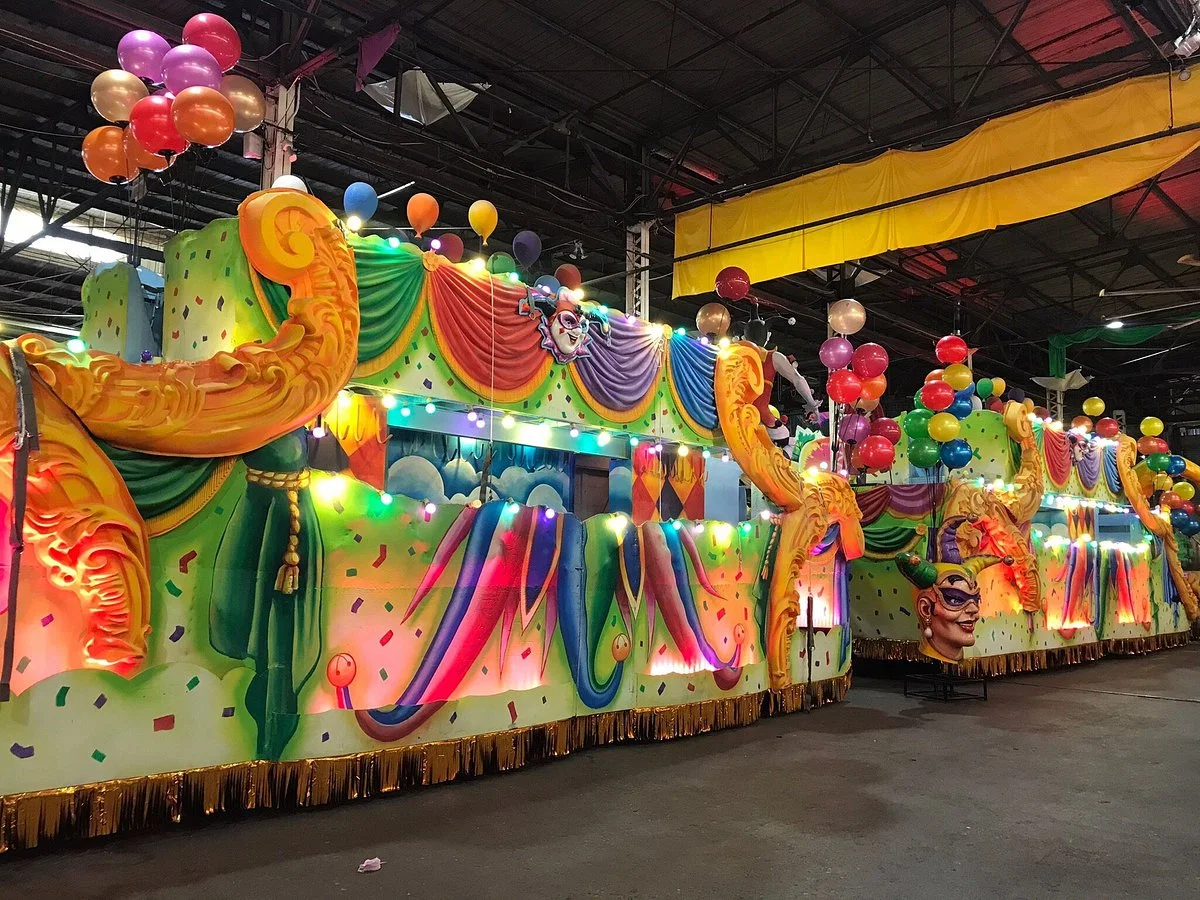
Mardi Gras World in New Orleans usually requires coordination across venue rules, move-in schedules, labor calls, freight timing, graphics, and technical requirements. Trade Show Services of New Orleans supports those scopes for exhibitors, agencies, and event teams working across convention halls, downtown hotels, and overflow venues around the metro.
Every building in this market has its own rhythm. Mardi Gras World is a good example of why venue size, room configuration, and service access need to be resolved early. Crews, exhibitors, and planners experience Mardi Gras World through loading, room flow, service points, and strike timing long before anyone notices the finished floor.
Mardi Gras World sits in Lower Garden District / Riverfront. Mardi Gras World is a good example of why venue size, room configuration, and service access need to be resolved early. Those details matter because freight access, rigging windows, electrical capacity, and crew calls all depend on reading the building correctly from the start.
Buyers are not comparing Mardi Gras World in isolation. They are comparing venue restrictions, budgets, labor availability, freight timing, and the amount of on-site control required to get through install, live days, and strike without surprises.
What we focus on
- Review Mardi Gras World manuals early and separate venue-provided services from outside scope before the rest of the plan hardens.
- Lock Mardi Gras World dock timing, target dates, and on-floor sequencing before freight starts moving.
- Coordinate Mardi Gras World exhibitor-appointed-contractor paperwork and credential requirements while there is still time to correct gaps.
- Match labor, AV, and graphics plans to Mardi Gras World's actual room flow and service points rather than the marketing deck.
- Protect Mardi Gras World dismantle timing so outbound freight and asset returns do not drift into a second day.
About Mardi Gras World
Experiential event campus and production environment with float dens, themed rooms, gala-dinner settings, and custom branded build options close to the convention center.
Located at 1380 Port of New Orleans Place, Lower Garden District / Riverfront.
Projects at the world start with its published floor plan, dock schedule, and service-order deadlines. Everything downstream — build, freight, install, labor — is planned against those real inputs.
The New Orleans event landscape
New Orleans is a working trade show market.
Trade show weeks in New Orleans compress decisions.
Scope at Mardi Gras World
Projects at the world typically include design work, fabrication or rental sourcing, graphics production, show-service paperwork, freight, install, show-hours coverage, and strike.
Scope boundary is as important as scope inclusion.
What the building asks of the team
A serious venue brief starts with how the building actually operates. Mardi Gras World affects dock timing, service ordering, staff routing, and how quickly exhibitors can recover if something shifts late. The room, the dock, and the service path all shape the work long before the doors open.
Every building in this market has its own rhythm. Mardi Gras World is a good example of why venue size, room configuration, and service access need to be resolved early. Crews, exhibitors, and planners experience Mardi Gras World through loading, room flow, service points, and strike timing long before anyone notices the finished floor. That is the kind of building-level context planners need before they commit freight, labor, or content decisions.
Manual review before move-in
Show manuals and vendor packets are where the real guardrails live. They set timing, restrictions, service ordering, paperwork, and the coordination rules that determine whether a project moves smoothly. Strong manual review keeps the team from losing hours to avoidable corrections once move-in starts.
If the project is touching General Contractor Services, those rules need to be checked before the rest of the plan is locked. That is usually where a venue either becomes manageable or starts generating preventable rework.
- Dock and dock-adjacent timing aligned to the current manual
- Labor and freight expectations matched to the venue's actual schedule
- Paperwork and permissions reviewed before the shipment leaves
- Show-site leadership briefed on the venue's service flow
- Strike plan protected so outbound work does not drift
Floor flow, freight, and utilities
Mardi Gras World is a good example of why venue size, room configuration, and service access need to be resolved early. Those numbers matter because floor flow is never just about aesthetics; it also decides how quickly labor, power, and exhibit materials can move.
The more a venue relies on tight service points or a layered floor plan, the more important it becomes to stage the work in order. That is what helps a team choose the right labor plan, utility order, and freight sequence before the show reaches the dock.
First venue decisions
The strongest programs settle the manual review, dock sequence, service ordering, and field leadership before the exhibit build is fully locked. That sequence tells the rest of the team when freight can move, how labor should stack, and where problems are most likely to surface.
At Mardi Gras World, that level of preparation is what makes the building workable on a real event week instead of just attractive in a sales deck.
Frequently asked questions
Can you work inside Mardi Gras World?
Yes, but the plan starts with the venue's current rules, exhibitor instructions, and show manual. We do not treat Mardi Gras World like a generic blank box because venue details drive what happens on-site.
Do you handle exhibitor-appointed-contractor coordination?
Yes. For Mardi Gras World, we can map paperwork, access timing, field leadership, and vendor handoffs so the project stays controlled from advance work through strike.
Do venue rules at Mardi Gras World override outside preferences?
They can. That is why every plan is built around current venue conditions, organizer direction, and any in-house service requirements that affect the floor.
What makes Mardi Gras World different from a standard ballroom or hall?
Mardi Gras World has its own floor flow, access points, and service conditions. The job is building a path that works inside the actual venue.