First decision
Footprint vs. behavior
Inline, island, modular, portable, and custom booths behave differently once people, crews, and utilities hit the floor.
Exhibit Formats
Booth format decides sightlines, traffic behavior, utilities, and how hard the install becomes once the crates hit the dock.
Booth type is one of the earliest design decisions and one of the most expensive to ignore. Footprint changes visibility, storage, staffing flow, utility planning, and how difficult the install becomes once the build reaches the hall.
Inline, island, modular, portable, custom, and multi-level environments all ask for different choices around graphics, counters, demo space, lighting, and reset needs.
The booth formats below are organized to help teams match the physical form to the actual job the exhibit has to do in front of buyers, partners, and attendees.
The right answer is rarely the biggest booth. It is the format that fits the traffic pattern, the venue rules, and the way the team intends to work the floor.
First decision
Inline, island, modular, portable, and custom booths behave differently once people, crews, and utilities hit the floor.
Install reality
A booth that looks clean in a rendering can still become expensive if flooring, structure, lighting, and AV arrive in the wrong order.
Best outcome
The right format earns attention from the aisle while staying realistic about labor, freight, storage, and reset needs.
Booth formats
Booth format
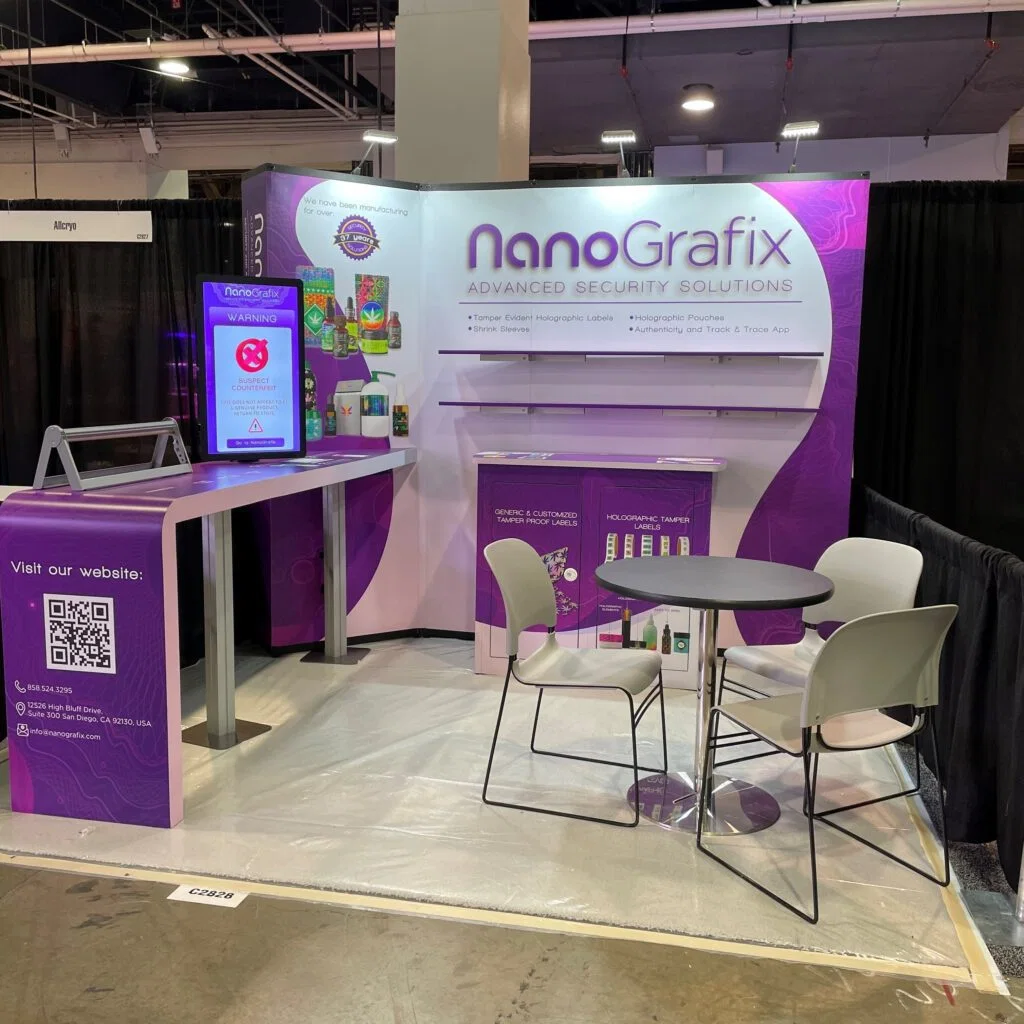
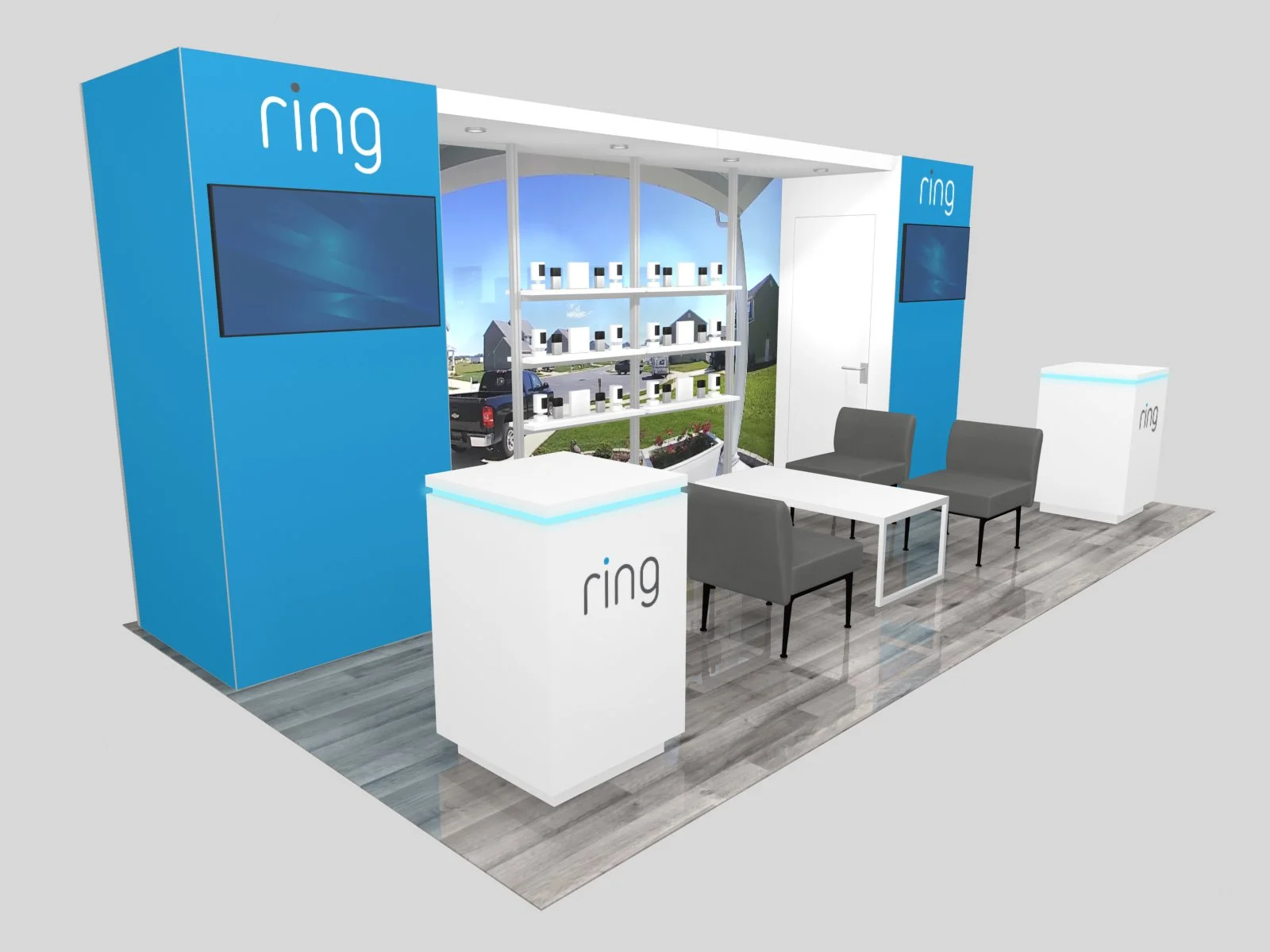
Inline booth displays tuned for aisle exposure, neighbor sightlines, compact storage, and a fast install path inside tighter floor plans.
Open pageBooth format
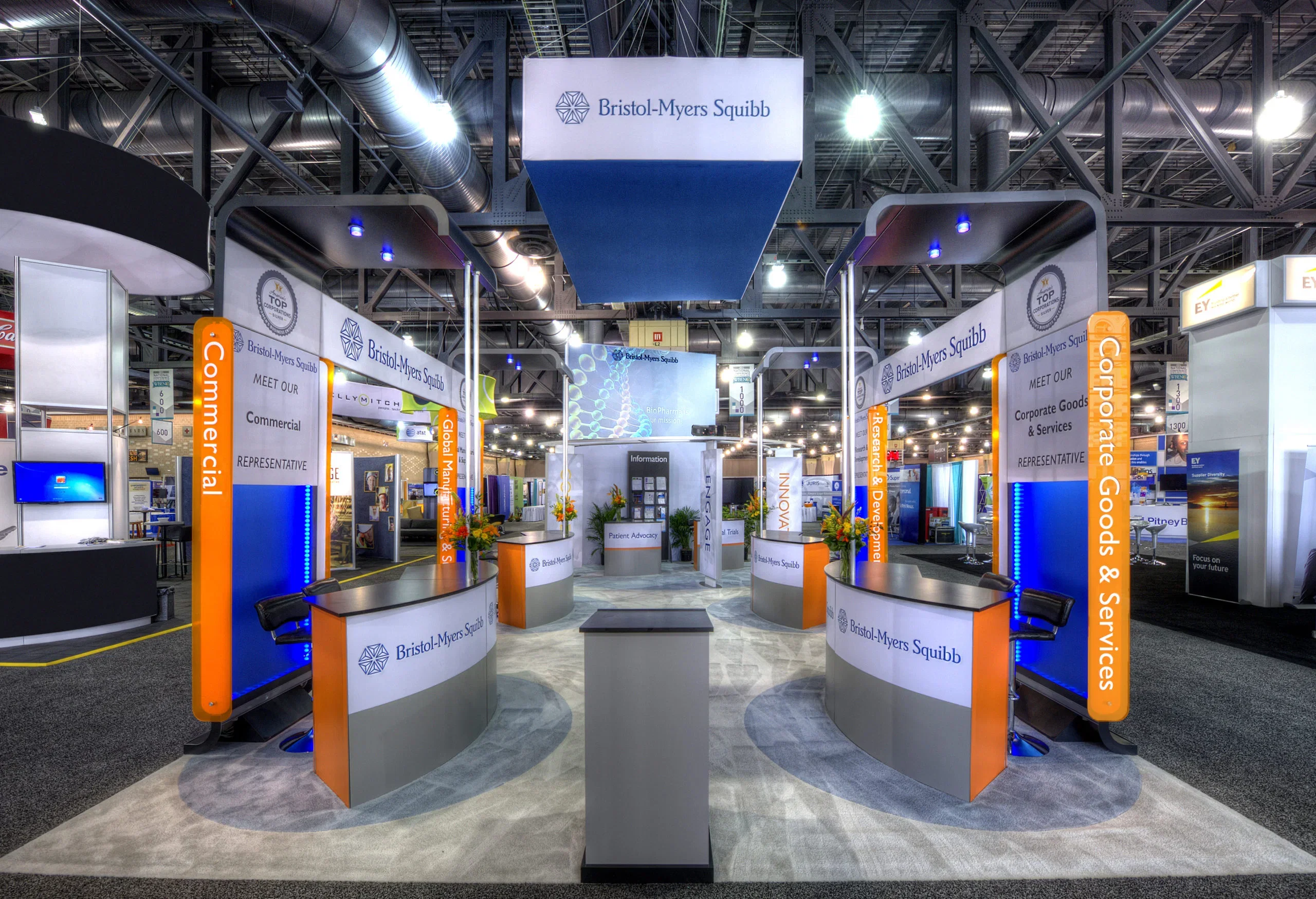
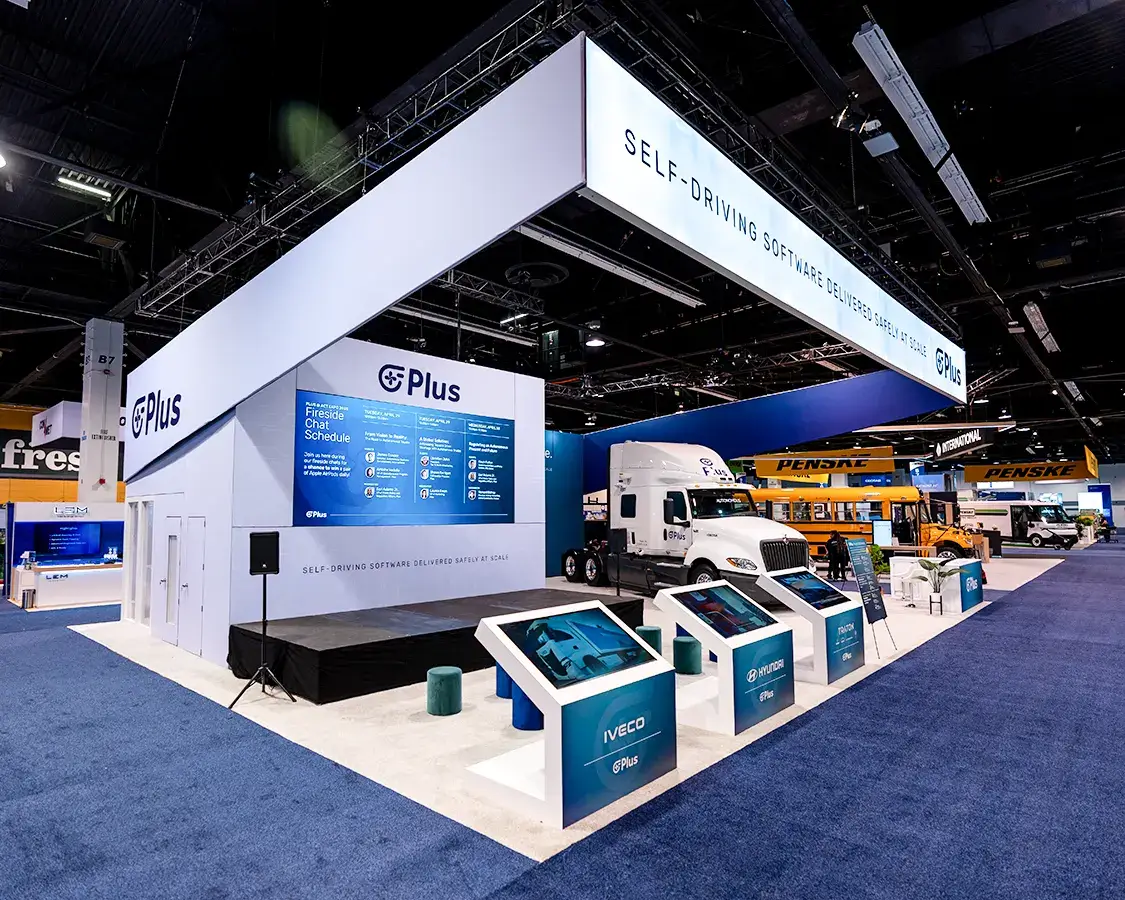
Island exhibit booths planned around open-perimeter traffic, suspended or vertical visibility, demo zones, staff movement, and utility routing.
Open pageBooth format
Modular trade show booths for repeat programs that need reusable structure, flexible graphics, controlled freight, and show-to-show adaptation.
Open pageBooth format
Portable displays for smaller teams that still need clean graphics, lighting, counters, and a realistic carry-in or short install plan.
Open pageBooth format
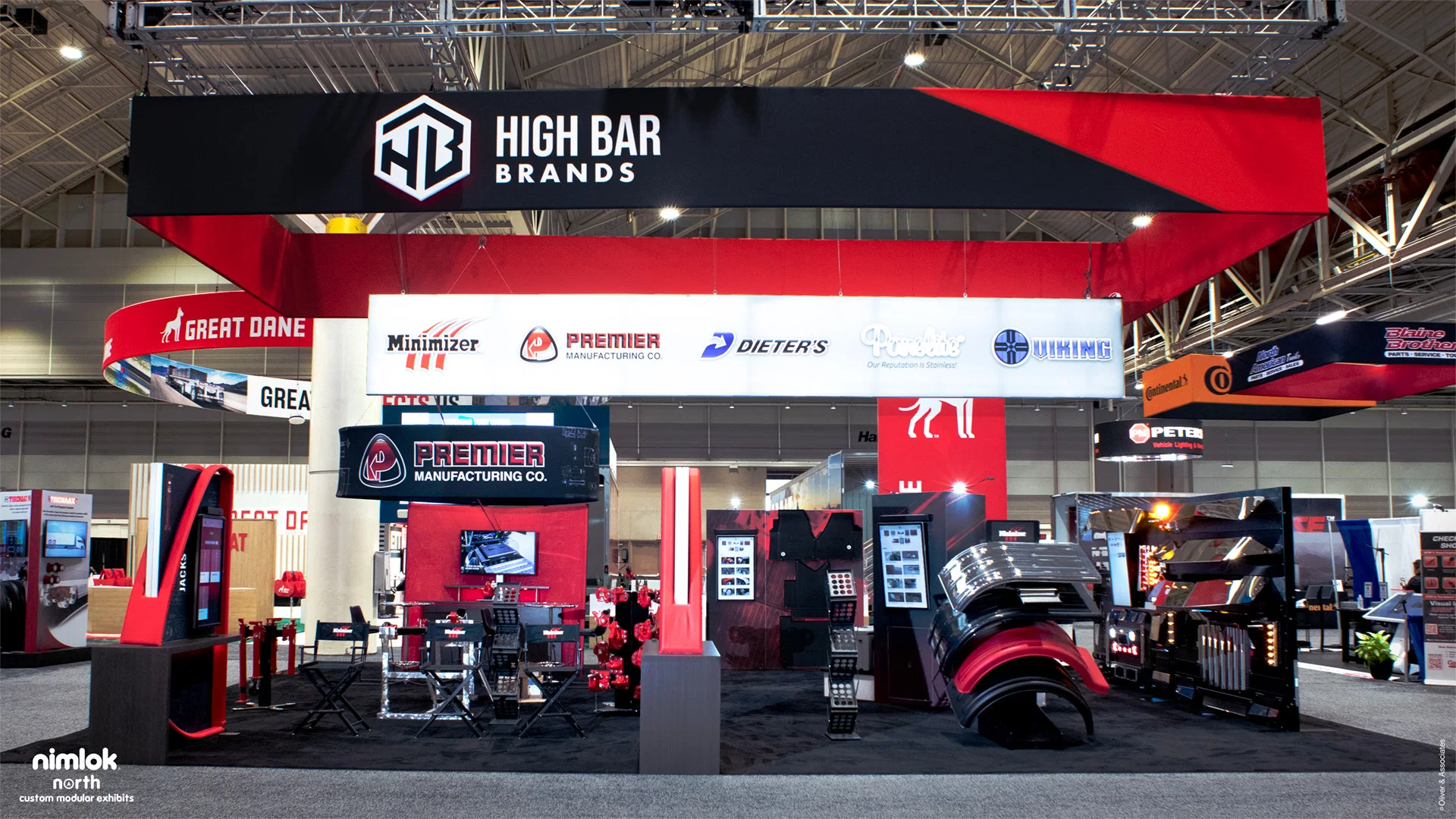
Custom exhibit booths for teams that need controlled architecture, premium finishes, deeper demos, and a build sequence matched to the venue.
Open pageBooth format
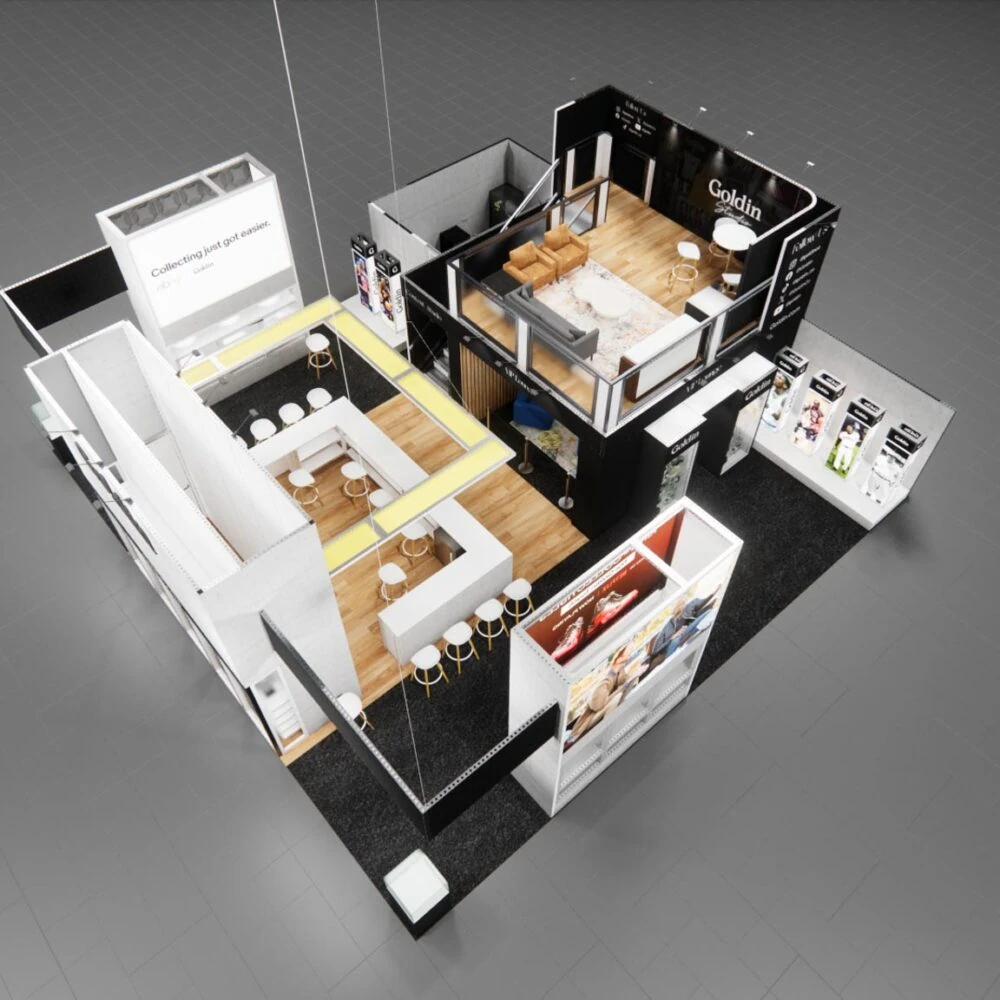
Double-deck exhibit planning for hospitality, structure, access, safety review, and the labor order that makes a second level practical.
Open pageBooth format
Rental exhibit booths for fast-moving programs where speed only works if graphics, labor, furniture, lighting, and return freight are defined early.
Open pageBooth format
Conference booth displays for meeting-heavy programs that need compact storage, conversation space, graphics, and quick reset between sessions.
Open pageBooth format
10x10 Trade Show Booths guidance for sightlines, labor order, utilities, storage, and the way this exhibit format behaves once attendees reach the aisle.
Open pageBooth format
10x20 Trade Show Booths guidance for sightlines, labor order, utilities, storage, and the way this exhibit format behaves once attendees reach the aisle.
Open pageBooth format
20x20 Trade Show Booths guidance for sightlines, labor order, utilities, storage, and the way this exhibit format behaves once attendees reach the aisle.
Open pageBooth format
Backlit & LED Displays guidance for sightlines, labor order, utilities, storage, and the way this exhibit format behaves once attendees reach the aisle.
Open pageBooth format
Banner Stands & Retractable Displays guidance for sightlines, labor order, utilities, storage, and the way this exhibit format behaves once attendees reach the aisle.
Open pageBooth format
Table Top Displays & Throws guidance for sightlines, labor order, utilities, storage, and the way this exhibit format behaves once attendees reach the aisle.
Open pageBooth format
Backwall & Backdrop Displays guidance for sightlines, labor order, utilities, storage, and the way this exhibit format behaves once attendees reach the aisle.
Open pageReady to brief your project?
Bring the footprint, visibility goals, and staffing plan. The right format is the one that supports the work instead of making install harder.