
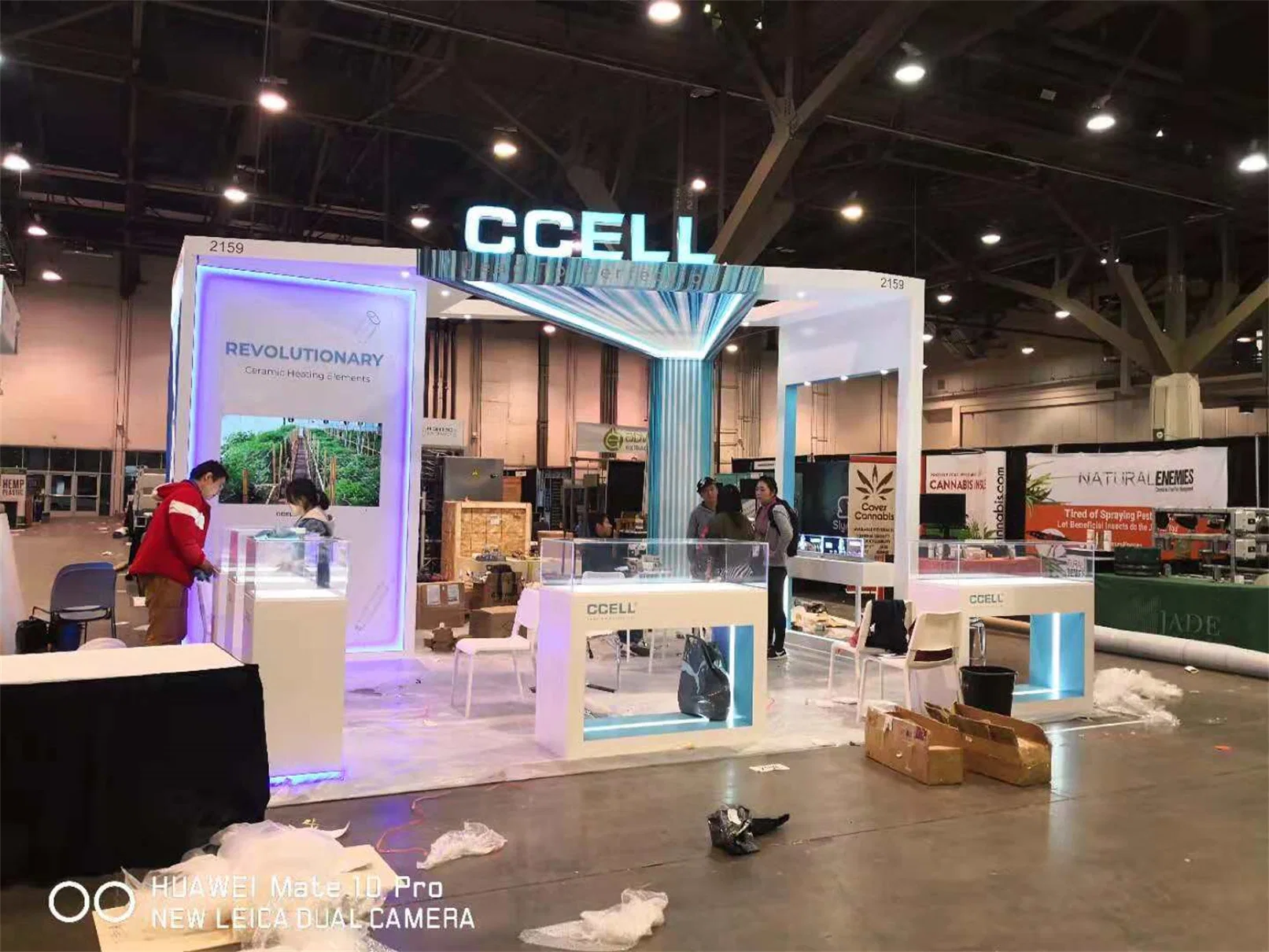
Trade Show Services in New Orleans usually requires coordination across venue rules, move-in schedules, labor calls, freight timing, graphics, and technical requirements. Trade Show Services of New Orleans supports those scopes for exhibitors, agencies, and event teams working across convention halls, downtown hotels, and overflow venues around the metro.
A Trade Show Services program has to match the room, the audience, and the sponsor mix at the same time. Around Gretna, LA, that often means balancing exhibit traffic, education tracks, registration peaks, and the service rules attached to Lakefront Arena. The format only works when guest movement and production rhythm are designed together.
Trade Show Services fits into a broader New Orleans convention economy shaped by downtown convention corridor, major conference hotels, and a calendar that rewards teams who lock dependencies early.
Buyers are not comparing Trade Show Services in isolation. They are comparing venue restrictions, budgets, labor availability, freight timing, and the amount of on-site control required to get through install, live days, and strike without surprises.
What we focus on
- Start Trade Show Services planning with the attendee path, sponsor needs, and booth footprint requirements before anybody starts finalizing décor.
- Tie booth design, content, lead capture, and staffing into the same delivery plan.
- Separate public-facing moments from back-of-house setup, reset, and strike windows so the live event can breathe.
- Use venue rules and show manuals to confirm timing for power, rigging, and late access.
- Keep contingency decisions assigned to one project lead during show week.
Who handles what during the New Orleans install window
There is no single labor model for New Orleans trade shows.
Where New Orleans shows actually happen
a few New Orleans venues carry most of the calendar.
The Great Hall at MCCNO is one of the anchors.
La Nouvelle Orleans Ballroom: second-level ballroom above Halls E and F used for meal functions, banquets, and divisional conference programming inside the convention center campus.
From first call to strike
Once scope is clear, the venue work begins.
One named show-site lead runs the install.
That document drives the next booking.
What this format has to deliver
Every format puts pressure on the room differently. A program carrying education, sponsorship, stage content, exhibits, or networking at the same time needs a clear operating rhythm before anyone starts decorating the floor. Trade Show Services works best when those pressures are named honestly from the start.
A Trade Show Services program has to match the room, the audience, and the sponsor mix at the same time. Around Gretna, LA, that often means balancing exhibit traffic, education tracks, registration peaks, and the service rules attached to Lakefront Arena. The format only works when guest movement and production rhythm are designed together. That makes it easier to judge whether the format fits the venue, the audience mix, and the production window.
Guest path and sponsor value
The attendee path is one of the easiest things to overlook. Once the format gets larger, the room has to support how people register, move, stop, watch, sample, and leave. Sponsors and exhibitors also need a visible path that does not fight the rest of the event.
When guest flow and sponsor visibility are designed together, the event becomes easier to operate and easier to sell internally. That is usually where a crowded program starts feeling composed instead of cramped.
- Registration and arrival flow
- Sponsor visibility and activation points
- Stage, exhibit, and audience timing
- Back-of-house setup and reset windows
- Venue rules that affect the live format
How production stays controlled
Format-specific work gets messy when the team treats each piece as a separate job. The better path is to keep staging, signage, labor, AV, and floor traffic in one schedule so they support each other instead of competing. That is how the format stays operational once the room fills up.
If the project also touches Lakefront Arena, the manual and the access rules become part of the format, not an afterthought. That keeps the live event grounded in the actual building.
Where the format tends to layer
Most event formats are part of something larger. They sit beside booth builds, venue operations, or service scopes that all have to be managed together. That is why format planning rarely stays inside one department for long.
The result is a cleaner planning conversation: the team can see where the format stops being a creative idea and starts becoming a production sequence.
Frequently asked questions
How does Trade Show Services get scoped for New Orleans trade shows?
Trade Show Services is scoped by tying exhibitor goals, venue conditions, labor windows, graphics, AV, logistics, and field supervision into a single operating plan.
Can this scope be paired with work at Lakefront Arena?
Yes. Trade Show Services of New Orleans plans each scope around the actual venue and show manual, which is especially important for programs landing at properties such as Lakefront Arena.
Do you work with exhibitor-appointed contractors and house providers?
Yes. For Trade Show Services, the delivery plan is built to coordinate outside partners, venue contacts, and client teams without losing ownership of schedule and show-site execution.
What is the biggest planning mistake to avoid?
Treating Trade Show Services as one line item in isolation. Booth design, labor, AV, graphics, freight, and dismantle affect each other, so the safest path is to plan them together.