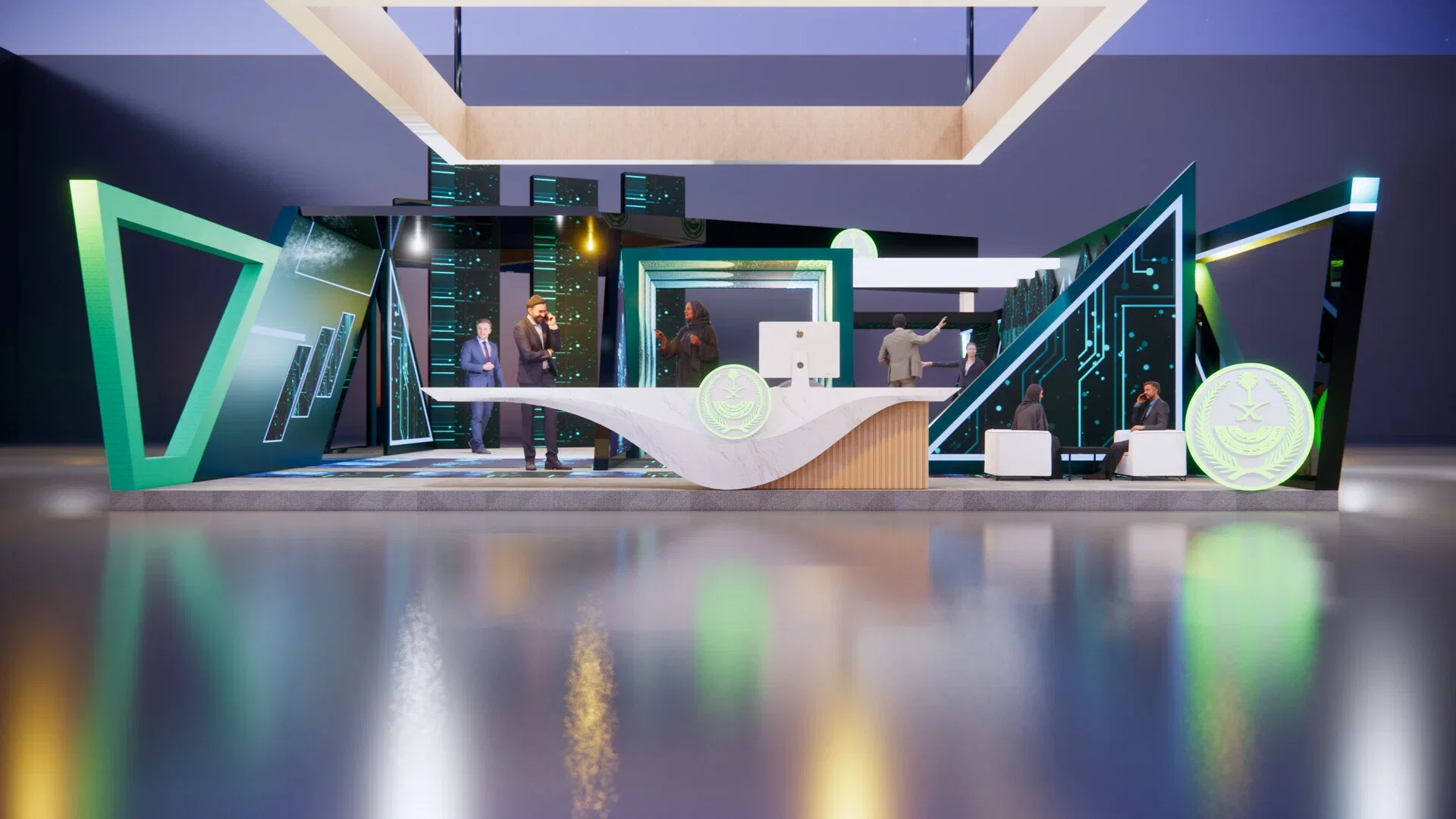
Booth Design and Creative Development in New Orleans usually requires coordination across venue rules, move-in schedules, labor calls, freight timing, graphics, and technical requirements. Trade Show Services of New Orleans supports those scopes for exhibitors, agencies, and event teams working across convention halls, downtown hotels, and overflow venues around the metro.
In this market, Booth Design and Creative Development usually sits between venue manuals, freight windows, exhibitor deadlines, and client approvals that do not arrive in a neat order. When the scope touches Pontchartrain Center and the LaPlace, LA corridor, crews need the venue, labor, and service plan settled early enough that show week is about execution instead of correction. Booth Design and Creative Development needs clear scope, schedule ownership, and venue coordination so vendors, crews, and client teams are working from the same plan in New Orleans.
Booth Design and Creative Development fits into a broader New Orleans convention economy shaped by downtown convention corridor, major conference hotels, and a calendar that rewards teams who lock dependencies early.
Buyers are not comparing Booth Design and Creative Development in isolation. They are comparing venue restrictions, budgets, labor availability, freight timing, and the amount of on-site control required to get through install, live days, and strike without surprises.
What we focus on
- Define the full Booth Design and Creative Development scope before anyone starts ordering labor, power, drayage, or technical services.
- Map Booth Design and Creative Development deadlines against exhibitor manuals, warehouse calendars, and venue access windows so the schedule is not rebuilt after the first call.
- Coordinate the Booth Design and Creative Development path with fabrication, graphics, AV, and installation instead of letting vendor dates drift apart.
- Assign on-site leadership for Booth Design and Creative Development early enough that venue questions, punch-list items, and late changes have somewhere to land.
- Lock dismantle, return freight, and asset handling around Booth Design and Creative Development before show open so closeout does not become a second project.
New Orleans convention venues and meeting properties
a few New Orleans venues carry most of the calendar.
A venue walk — either in person or via the published floor plan — is the step that reveals constraints no spec sheet shows. Column spacing, real ceiling height at the grid point, and dock access shape what's actually buildable.
The Great Hall at MCCNO is one of the anchors. Large divisible ballroom inside the convention center suited to general sessions, premium conference programs, meal functions, and high-capacity sponsor environments.
La Nouvelle Orleans Ballroom: second-level ballroom above Halls E and F used for meal functions, banquets, and divisional conference programming inside the convention center campus.
What's included in the project scope
Individual projects layer or remove items based on scope.
Good execution comes from keeping the team small and the handoffs short. Every extra vendor in the chain adds a communication layer and a place where details get lost.
Scope boundary is as important as scope inclusion. Show organizer fees, client-side staff costs, and any tools the client already owns are handled outside the engagement. Defining that boundary up front prevents billing surprises later.
The process from start to finish
Once scope is clear, the venue work begins.
One named show-site lead runs the install.
That document drives the next booking.
Services included in this scope
Good Booth Design and Creative Development work starts before the first purchase order goes out. The job is to define approvals, sequence vendor decisions, and remove ambiguity about who is responsible for design, logistics, field calls, and closeout. Booth Design and Creative Development needs clear scope, schedule ownership, and venue coordination so vendors, crews, and client teams are working from the same plan in New Orleans.
In this market, Booth Design and Creative Development usually sits between venue manuals, freight windows, exhibitor deadlines, and client approvals that do not arrive in a neat order. When the scope touches Pontchartrain Center and the LaPlace, LA corridor, crews need the venue, labor, and service plan settled early enough that show week is about execution instead of correction. Booth Design and Creative Development needs clear scope, schedule ownership, and venue coordination so vendors, crews, and client teams are working from the same plan in New Orleans. When Booth Design and Creative Development and Exhibit Program Management both touch the same brief, the handoff has to be explicit so the project never loses ownership midstream.
How the schedule holds together
The safest projects run off one schedule that covers advance work, fabrication, show services, install, live days, and strike. When those tasks live in different spreadsheets, the floor team becomes the place where confusion gets discovered. For Booth Design and Creative Development, the critical checkpoints usually sit where venue approvals, vendor releases, and crew calls overlap.
If the Booth Design and Creative Development checkpoints are owned early, the rest of the week gets quieter. That is what keeps the project moving from concept to execution without asking the field crew to sort out planning mistakes in real time.
- One project lead with a visible approval chain
- One schedule that covers planning, production, and show week
- Venue manuals and vendor instructions read before purchase orders go out
- Field decisions tied to the people who own the build
- Closeout and return logistics staged before the show opens
What changes in New Orleans
New Orleans does not behave like a generic convention market. The convention center, hotel bands, arena campuses, and overflow properties all create different access patterns, and those differences matter when a Booth Design and Creative Development scope has to land on time. Freight, labor, and client travel are often being shaped by the same local bottlenecks.
That is especially true when the project touches Pontchartrain Center or moves through LaPlace, LA. The more specific the venue context becomes, the easier it is to avoid late changes, duplicate work, and guessing at what the floor will need next.
Connected services
Most Booth Design and Creative Development programs do not live alone. They sit beside AV, graphics, labor, freight, or rental decisions, which means the scope has to be easy to hand off and easy to coordinate. That is where disciplined planning starts paying for itself.
If the same brief also needs Exhibit Program Management, the best outcome is a clean handoff between the people shaping the plan and the people building the floor. That handoff is what keeps the work organized when several moving parts reach the same show week at once.
Frequently asked questions
How does labor work in New Orleans?
It runs venue by venue. Freight instructions for the event marshaling yard come from the event general contractor or event show management, which means delivery and labor paths are show-specific rather than citywide defaults.
What information kicks off a project?
The show, the venue, the booth number, the dates, and a target budget range. From those, an initial scope and a realistic cost come back within a few days.
Can the booth travel to the next city on our calendar?
Same structure, swappable graphics, standard crates.
How does Booth Design and Creative Development get scoped for New Orleans trade shows?
Booth Design and Creative Development is scoped by tying exhibitor goals, venue conditions, labor windows, graphics, AV, logistics, and field supervision into a single operating plan.